01Mora Romagnola
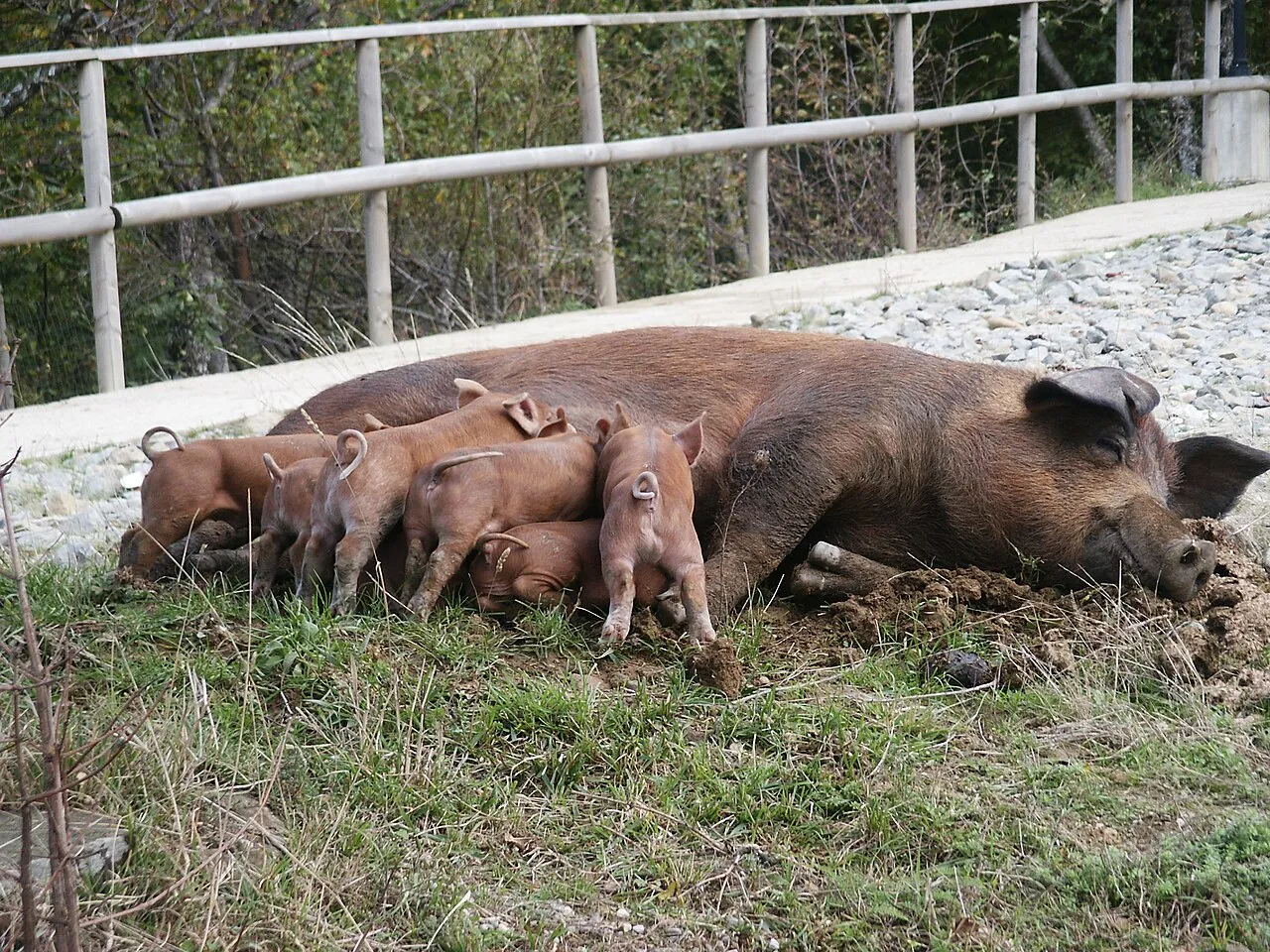
The Mora Romagnola is Romagna’s black pig. In 1949 there were about 22,000 of them; then the breed was abandoned because it grows more slowly than modern breeds, until fewer than 15 animals were left. It was saved by an elderly farmer from Faenza, Mario Lazzari.
Today it is a Slow Food Presidium in the provinces of Ravenna, Forlì-Cesena and Rimini. Its meat is used for culatello, spalla cruda, salame and prosciutto.
02Farmers in the hinterland
Two of the Slow Food Presidium’s farms are in the province of Rimini. Contact them first for visits and purchases.
| Azienda agricola Zavoli | via Pulzona, Saludecio, in the Valconca (about 42 km). A closed cycle, from rearing to cured meats; it sells fresh meat and cured meats at the family butcher’s shop and on the farm. |
|---|---|
| I Fondi | località Uffogliano, Secchiano Marecchia (Novafeltria), in the Valmarecchia (about 32 km). Raising Mora Romagnola since 2012: salame gentile, coppa, lardo, guanciale, coppa di testa and ciccioli. |
03The Grigione del Montefeltro
In San Leo the Gabrielli farm raises the Grigione, a pig bred from crosses designed to recreate the pig in an early 20th-century photo hanging in a bakery in the village. About a hundred animals live semi-wild on 25 hectares, on organic feed, for 14-16 months; the farm’s own norcino (pork butcher) prepares fresh cuts and cured meats. The farm shop is in Madonna di Pugliano, strada per Pugliano 25/A (about 39 km), open Monday to Saturday mornings and on weekday afternoons (grigionedelmontefeltro.it). Combine it with a visit to San Leo.
04White beef: Romagnola and Marchigiana
Romagnola cows have an ivory-white coat, shading to grey on the shoulders; the calves are born tawny and turn white at around three months. At the 1900 Paris Exposition the breed won the prize for best beef breed, together with the Hereford. With the Marchigiana and the Chianina it makes up the PGI Vitellone bianco dell’Appennino Centrale (since 1998), whose area also includes the province of Rimini.
The Romagnola is a Slow Food Presidium: in the province it is raised by the Zavoli farm in Saludecio, the same farm that raises Mora Romagnola.
05Prosciutto di Carpegna
In Carpegna, in the Marche part of the Montefeltro, they age prosciutto di Carpegna PDO, recognised in 1996: only sea salt, no additives and at least 14 months of ageing, for a pink, delicate ham.
Carpegna is about 56 km from the hotel, an hour’s drive through the Valmarecchia; in July the village holds the Festa del prosciutto (ham festival) (16 to 19 July in 2026).
06Typical cured meats of Romagna
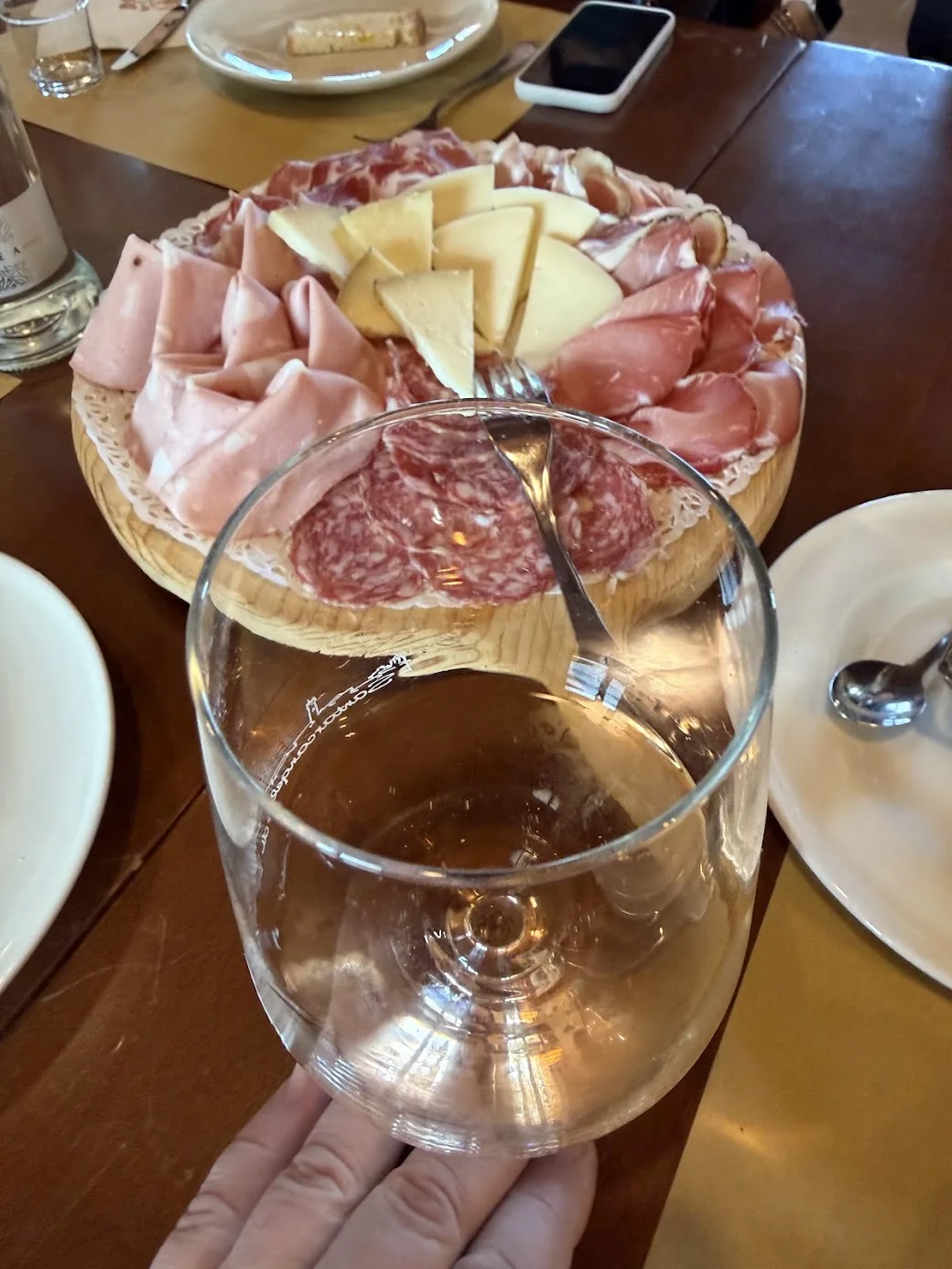
The Emilia-Romagna Region’s list of traditional products includes:
- salame gentile and salsiccia (sausage), which is also grilled and eaten in a piadina;
- coppa di testa (brawn), ciccioli (pork scratchings), rolled pancetta and porchetta;
- lardo del Montefeltro and the herb-cured prosciutto of the Montefeltro.
A board of cured meats with piadina and squacquerone is the most Romagna way to start a dinner. Romagna sausages are always on the menu at Hotel Viking’s garden barbecue.
More flavours of the hinterland: wineries and wine · olive mills and oil · formaggio di fossa and squacquerone · cured meats and meat. The villages to visit are on our Rimini hinterland page.
Sources: Slow Food · Riviera di Rimini · Prosciutto di Carpegna production rules · il Resto del Carlino · Zavoli · I Fondi · Grigione del Montefeltro · Slow Food – Romagnola · Vitellone bianco PGI production rules · Emilia-Romagna Region traditional products. Information checked in October 2026: opening hours, dates and visits may change, so always phone ahead.
07FAQ
What is Mora Romagnola?
It is Romagna’s black pig, saved from extinction and now a Slow Food Presidium: its meat is used for culatello, spalla cruda (cured shoulder), salame and prosciutto.
Where can I buy Mora Romagnola cured meats near Rimini?
From the Presidium’s farmers in the province: the Zavoli farm in Saludecio and I Fondi in Secchiano Marecchia. Contact them first.
Where is prosciutto di Carpegna made?
In Carpegna, in the Montefeltro, about an hour’s drive from the hotel: it has been PDO since 1996 and is aged for at least 14 months.
What is the Grigione of San Leo?
A pig raised semi-wild by the Gabrielli farm in San Leo, bred from crosses to recreate the pig in an early 20th-century photo: the farm shop is in Madonna di Pugliano.
What is the Romagnola breed?
A breed of cattle with an ivory-white coat and a Slow Food Presidium: together with the Marchigiana and the Chianina it produces the PGI beef Vitellone bianco dell’Appennino Centrale.
What are the typical cured meats of Romagna?
Salame gentile, salsiccia (sausage), coppa di testa (brawn), ciccioli (pork scratchings), porchetta and lardo del Montefeltro.


